
Nutrition
Eating for Energy: A Gentle Guide to Balanced Everyday Meals
No restrictive rules, no complicated plans. Just simple, nourishing ways to cook and eat that leave you feeling steady from breakfast to bedtime.
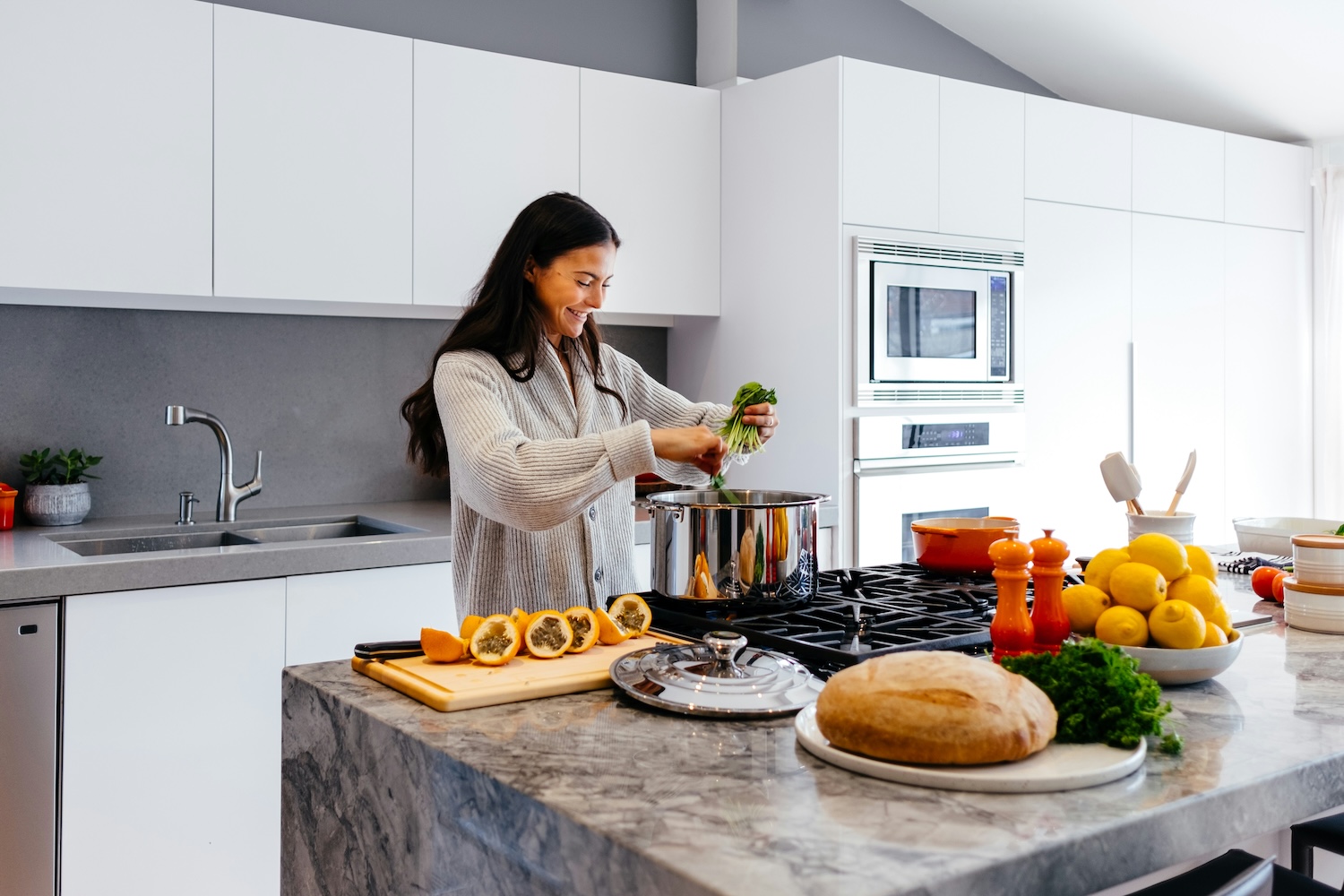
Balanced eating starts in ordinary kitchens, with ordinary ingredients.
You know the feeling. Eleven in the morning and your focus is already fraying. Three in the afternoon and you would trade almost anything for a nap or a pastry, preferably both. We tend to blame willpower, sleep, or the meeting that ran long. But very often, the story of our energy is written earlier, quietly, by what and how we ate.
The good news is that eating for steady energy is not about discipline, superfoods, or an app that scolds you. It is mostly about rhythm and composition: eating regularly enough that your body stops bracing for scarcity, and building meals that release their energy slowly instead of all at once. This guide keeps it gentle on purpose. Food is one of life’s reliable pleasures, and any way of eating that forgets that will not last past next Tuesday.
The energy rollercoaster, explained kindly
When a meal is mostly fast-burning carbohydrates, think white bread, sweets, or a pastry on its own, your blood sugar rises quickly and then dips just as quickly. That dip is the crash you feel an hour or two later: foggy, irritable, hungry again. Nothing is wrong with you, and nothing is morally wrong with the pastry. It is simply fuel that burns bright and short.
Slower fuels, such as vegetables, whole grains, beans, nuts, eggs, fish, yogurt and good oils, release their energy over hours rather than minutes. Pair the two and something lovely happens: the pastry becomes part of a meal instead of a rollercoaster ticket. That is the whole trick, and almost everything below is a variation of it.
There are no forbidden foods here. There are only meals that carry you for an hour and meals that carry you for an afternoon.
The gentle plate
Forget counting anything. When you put a meal together, whether it is cooked from scratch or assembled from leftovers and a shrug, aim for a rough shape rather than exact amounts. Nutritionists often describe it as the balanced plate, and it works because it is forgiving.
A Balanced Plate at a Glance
The shape matters more than the ingredients. A hurried lunch of canned beans, frozen spinach and microwaved rice with a drizzle of olive oil follows the pattern perfectly. So does a restaurant plate of grilled fish, potatoes and salad. Balanced eating is a template, not a shopping list.

Rhythm beats rules
How often you eat shapes your energy almost as much as what you eat. Long, accidental gaps, the kind that happen when breakfast is coffee and lunch is whatever the afternoon allows, teach your body to lurch between running on fumes and overcorrecting. Most people feel steadier with regular meals at roughly regular times, and a breakfast that includes some protein and fiber rather than sugar alone.
If mornings are rushed, keep a two-minute default on standby: yogurt with oats and fruit, eggs on whole grain toast, or last night’s leftovers without apology. Deciding once, rather than every morning, removes the friction that quietly kills good intentions.
And do not forget the least glamorous energy tool of all: water. Mild dehydration reads, to your brain, remarkably like tiredness. Before reaching for a third coffee in the afternoon, try a glass of water and a short walk first, then see how you feel.
Taming the afternoon slump
Some afternoon dip is simply human; our body clocks naturally ebb in the early afternoon. But a crash is different from an ebb. If your slump is dramatic, look at lunch. A meal that is mostly refined carbohydrates, eaten fast at a desk, sets up the classic three o’clock collapse. Adding protein and vegetables to lunch, and stepping away from the screen while you eat, softens the curve more reliably than any snack can.
When you do snack, treat it like a small meal rather than a sugar patch: an apple with peanut butter, a handful of nuts, yogurt, cheese and crackers, hummus and whatever vegetable is in the drawer. Sweet things are best enjoyed after meals, when they land on a full stomach and a slow burn, rather than alone on an empty one.
The most important rule is kindness
Perhaps the biggest energy drain of all is the mental noise around food: the guilt, the labels, the constant grading of every meal. Research on eating behavior keeps arriving at the same conclusion: rigid, all-or-nothing approaches tend to backfire, while flexible, mostly-balanced patterns endure. Aim for meals that follow the gentle plate most of the time, and let birthday cake be birthday cake.
Eat slowly enough to notice your food. Cook when you have the energy, assemble when you do not, and never let the perfect dinner become the enemy of a good enough one. Steady energy is not built in a week of perfect eating. It is built in months of ordinary, unremarkable, quietly balanced meals, the kind you barely have to think about once the rhythm settles in.
This article is for general information only and is not medical or dietary advice. Individual needs vary. If you have a medical condition, specific dietary requirements or concerns about your relationship with food, please talk to a doctor or registered dietitian.
Keep Reading

Mindfulness
The Morning Ritual That Calms Your Stress Response
Ten unhurried minutes before your first coffee can change the tone of your entire day. Here is how to build a morning practice that actually sticks.

Rest & Recovery
Why Rest Is a Skill, and How to Practice It
Real rest is more than sleep. Learn the five types of recovery your body and mind quietly ask for, and how to weave them into an ordinary week.
The Sunday Slowdown
One calm email every Sunday morning: our best new stories, one practical tip, and something beautiful to read with your coffee.
Free forever. No spam, ever. Unsubscribe anytime.